Why Brutal West Texas Heat is Your Tires Worst Enemy
That wavering heat distortion you see hovering over the asphalt in mid-July is more than just a seasonal nuisance; it is a silent destroyer of automotive rubber. When ambient air temperatures soar past 100 degrees, the actual pavement can easily reach a blistering 140 degrees or more. This extreme heat creates a pressure-cooker environment for your tires, dramatically increasing the risk of unexpected and dangerous high-speed blowouts.
Understanding the science behind thermal expansion is critical for safe summer driving. For every 10-degree rise in outside temperature, your tire pressure increases by roughly one pound per square inch (PSI). If you last checked your pressure during a cool spring morning, you might be driving on dangerously over-inflated rubber by the peak of summer. As your trusted local tire shop, we have seen firsthand the expensive and dangerous aftermath of ignored summer maintenance.
Heat does not just affect pressure; it actually accelerates the chemical breakdown of the rubber compounds. This means those tires you rely on to keep your family safe are degrading much faster during the peak summer months. Prepping your vehicle now is the only way to ensure you make it through the season without an emergency roadside breakdown.
5 Warning Signs Your Tires Can Not Handle the Summer Heat
Before the worst of the summer weather arrives, you need to conduct a thorough visual inspection of your vehicle. Catching these warning signs early can save you from severe headaches on the highway.
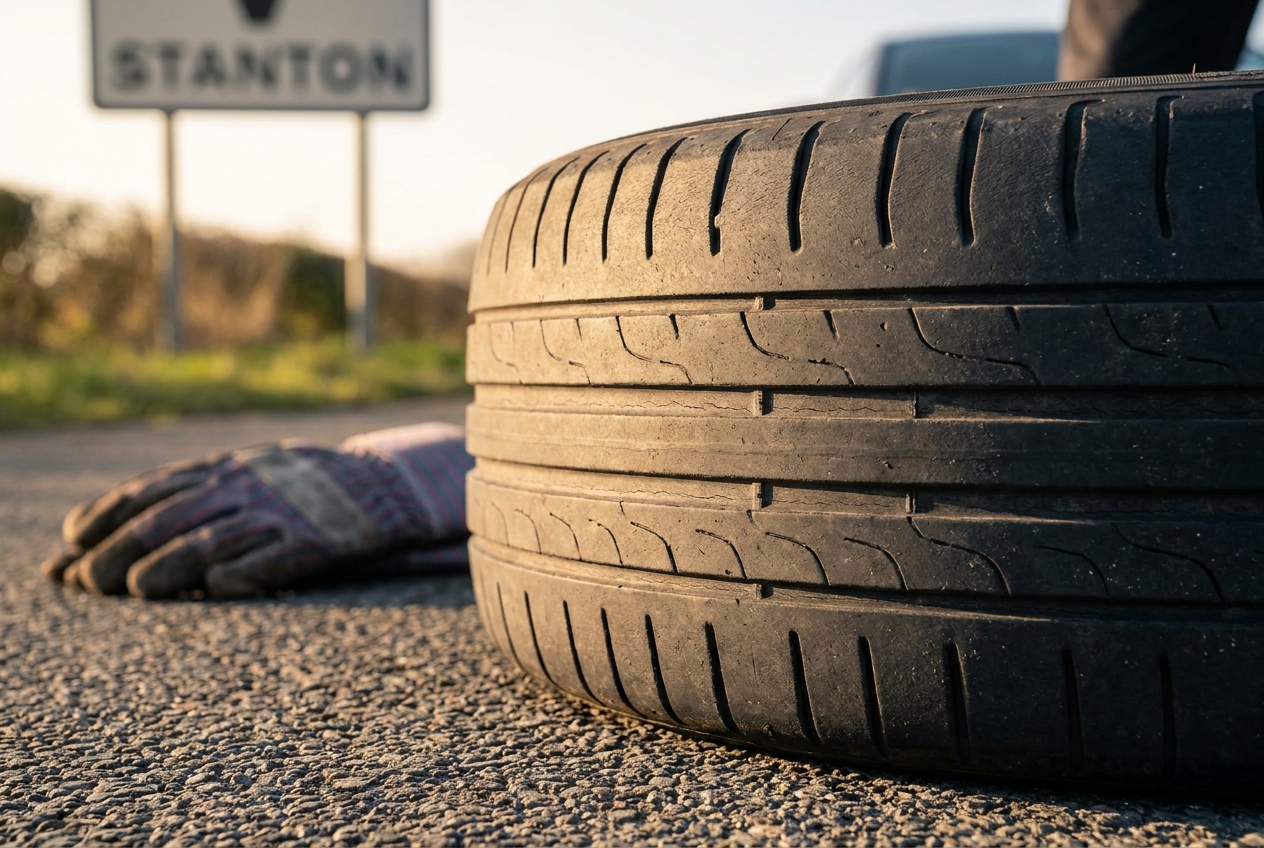
- Dry Rot and Sidewall Cracking: UV rays and high temperatures bake the moisture and oils out of rubber. Look for tiny spiderweb cracks along the sidewall, which indicate the structural integrity is compromised.
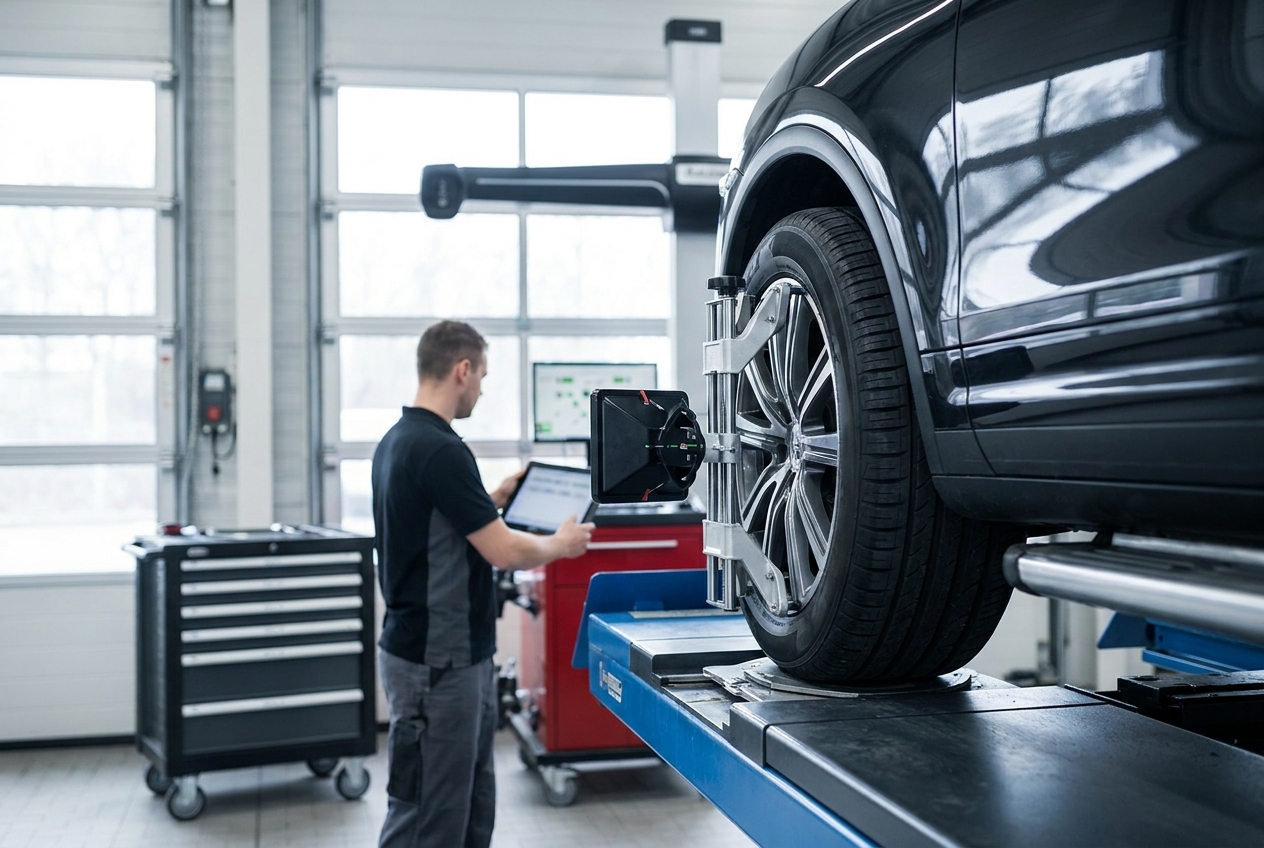
- Uneven Tread Wear: If one side of your tread is significantly more worn than the other, you have a mechanical issue. That uneven wear means you need to prioritize finding a quality tire alignment near me before the scorching highway destroys the remaining rubber.
- Chronic Pressure Loss: If you find yourself constantly adding air to one specific wheel, you likely have a slow leak. If you spot a nail or screw, getting prompt tire repair near me is crucial before heat expansion causes a catastrophic failure.
- Excessive Tread Wear: Heat makes the pavement act like sandpaper. If your tread is low, the tire can not dissipate heat effectively. Always ensure you have adequate tread depth before taking a long road trip.
- Visible Bulges or Blisters: A bubble on the sidewall means the internal structure has already failed and air is leaking into the outer layers. This is a ticking time bomb in high temperatures.
Step-by-Step Summer Tire Prep for West Texas Drivers
Protecting your vehicle from the elements requires proactive care. Follow these essential steps to prep your vehicle for the harsh months ahead.
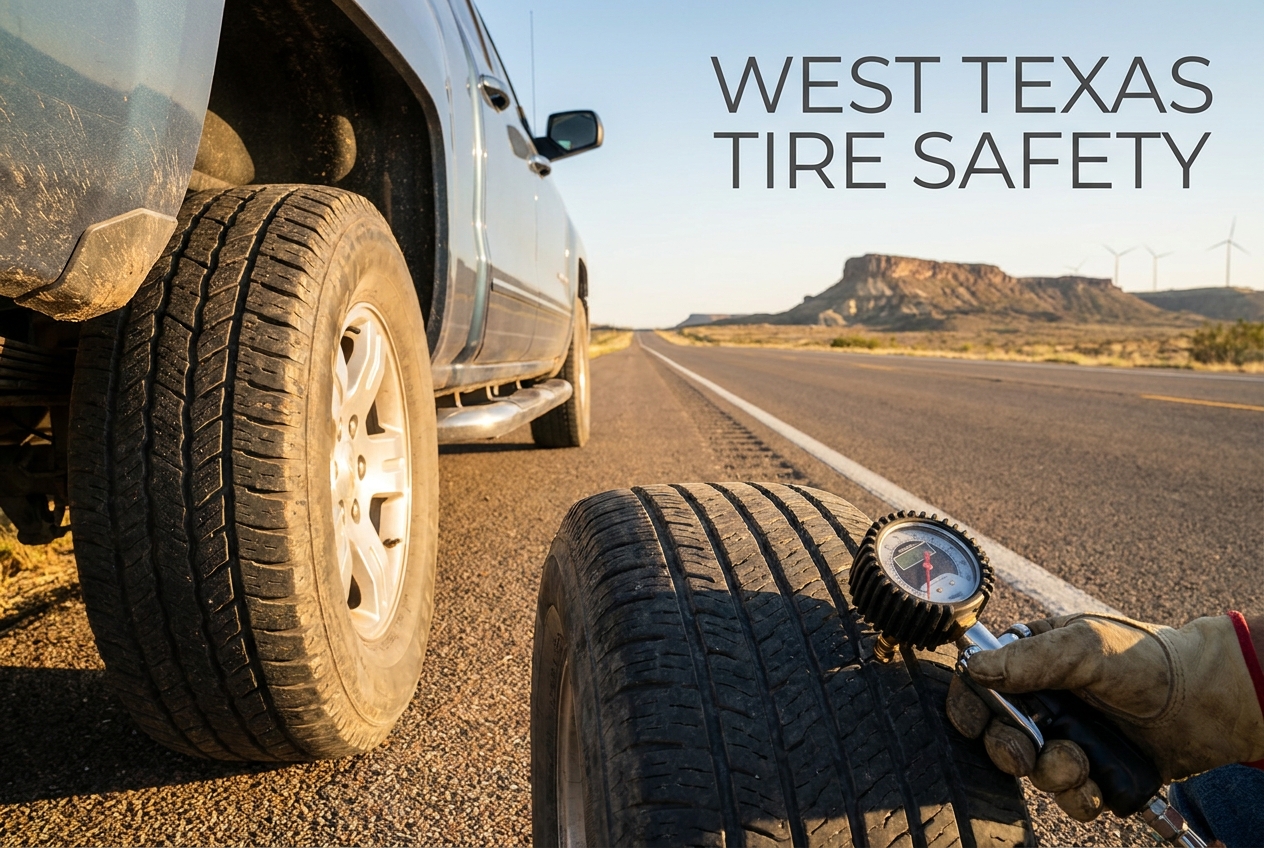
- Check Pressure When Cold: Always measure your PSI first thing in the morning before driving. This gives you an accurate baseline before friction and ambient heat artificially inflate the numbers.
- Evaluate Your Tire Type: Consider what type of rubber you are rolling on. Quality all-season tires are built to handle our intense summer heat while providing excellent wet traction during sudden thunderstorms. Just as you might spend time researching the best winter tires for December freezes, you need to ensure your current setup is optimized for summer endurance.
- Schedule a Professional Rotation: Moving your wheels to different positions ensures they wear evenly, extending their lifespan and maximizing your investment.
- Check Your Spare: The trunk acts like an oven during the summer, which can degrade a spare over time. Ensure your spare is fully inflated and free of dry rot so it is ready if you ever need it.
How Preventive Maintenance Saves You Money This Summer
Many drivers avoid automotive maintenance because they worry about the immediate cost, but the reality is that ignoring these components is far more expensive. Driving on improperly inflated or heavily worn rubber significantly reduces your gas mileage, forcing you to spend more money at the pump every single week. Furthermore, a blowout at highway speeds can damage your wheels, fenders, and suspension components, leading to massive repair bills.
Instead of frantically searching for a tire shop near me on your smartphone while stranded on the side of I-20, taking a proactive approach allows you to control your budget. You have the time to browse reliable tires for sale at your own pace. If you are on a tight budget and trying to find used tires near me, planning ahead gives you the opportunity to inspect the inventory and ensure you are getting safe, high-quality replacements. Taking advantage of exclusive tire deals before the busy summer travel season begins is the smartest way to protect your wallet.
Special Concerns for Stanton and West Texas Drivers
Driving in Stanton, Big Spring, Lamesa, Anson, and Brownsfield presents unique challenges. The long stretches of highway between these communities mean you are often driving at high speeds for extended periods. This continuous high-speed friction generates immense internal heat within the wheel assembly. Combined with our famously intense West Texas sun, the thermal load is massive.
Whether you are commuting to an oil site or taking the family on a summer vacation, your vehicle's only contact with the scorching pavement is four relatively small patches of rubber. Ensuring those patches are in peak condition is your first line of defense against accidents and breakdowns.
Don't wait until a minor issue becomes a major summer disaster. The ASE-certified technicians at Franklin & Son Inc are here to help keep you safe on West Texas roads. Stop by our facility today for a comprehensive inspection, and let our experts ensure your vehicle is fully prepared for the heat.